Scarifying
Scarifying removes the build-up of thatch and dead organic material that can choke a lawn.
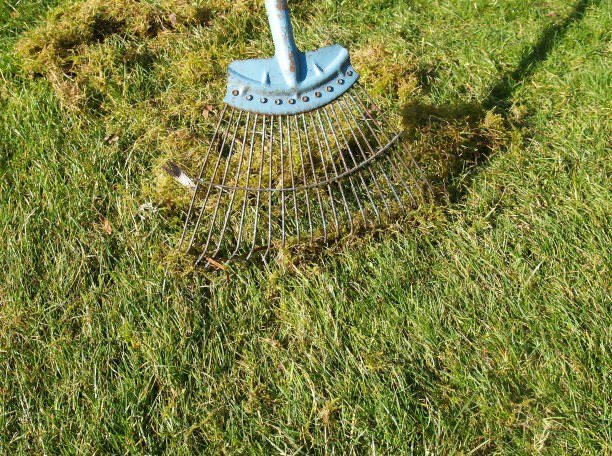
Over time, a layer of dead grass, moss and organic debris (thatch) can build up at the base of the lawn. Scarifying lifts and removes this material, opening up the surface of the turf.
Once the surface is opened up, air, water and nutrients can move into the soil more easily, giving the grass the best chance to recover and grow.
Benefits
- Improves air, water and nutrient movement into the soil
- Encourages healthier, more vigorous grass growth
- Improves the overall condition and appearance of the lawn
- Creates a good surface for overseeding
When you may need it
- The lawn feels spongy underfoot
- Water runs off rather than soaking in
- Moss and dead material are building up
- Grass is thin despite regular care
What it involves
A scarifier cuts into the base of the lawn and lifts thatch, moss and dead material to the surface, where it is cleared away.
Best time of year
Spring or early autumn, when the grass is growing strongly enough to recover. Scarifying in drought or in the depths of winter is best avoided.
What to expect afterwards
The lawn can look rough and thinner for a few weeks while it recovers. Overseeding straight afterwards helps fill any gaps.
Often combined with
Get a quote for scarifying
Tell us your postcode, the service you need and your lawn size. We will come back to you.